
Craniosacral Therapy near Oxford for Pain, Stress & Trauma
CRANIOSACRAL
for ADULTS
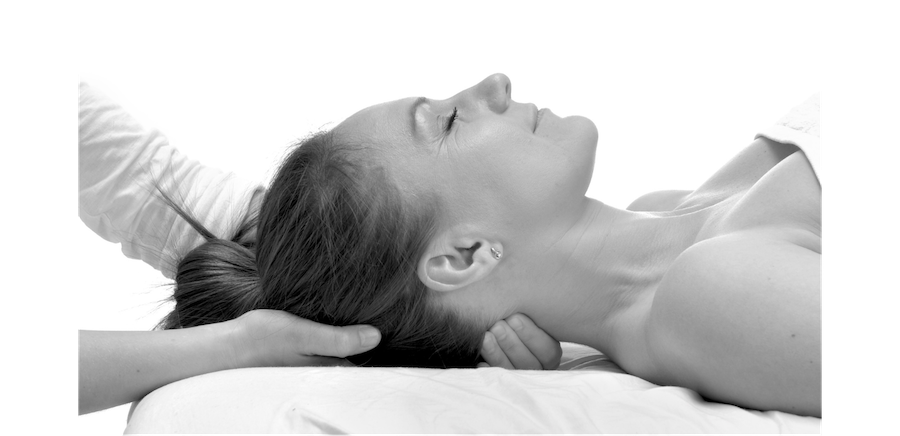
Craniosacral therapy is a gentle, non-invasive form of bodywork that focuses on the craniosacral system - the membranes and fluid surrounding the brain and spinal cord - to support nervous system regulation and overall wellbeing.
CRANIOSACRAL
for BABIES
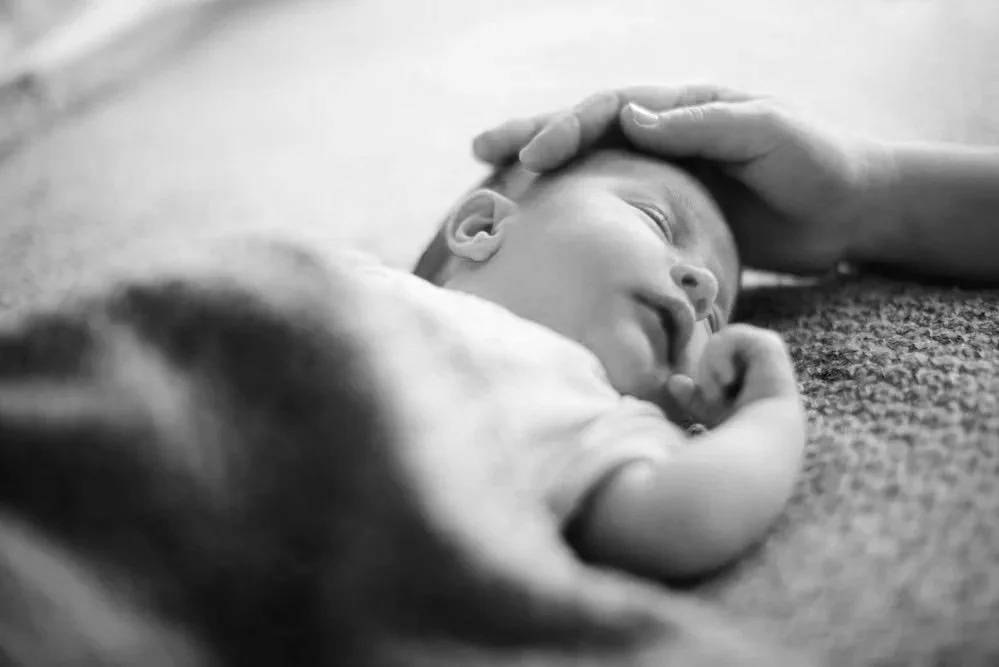
Craniosacral therapy for babies is a gentle, non-invasive form of bodywork that uses very light touch to support common early-life challenges such as feeding difficulties, colic, sleep disturbances, and general discomfort following the birth experience.
CRANIOSACRAL THERAPY for ADULTS
You’re ready to move beyond pain, stress, and the effects of trauma. Are you open to begin a gentle, body-led approach to healing?
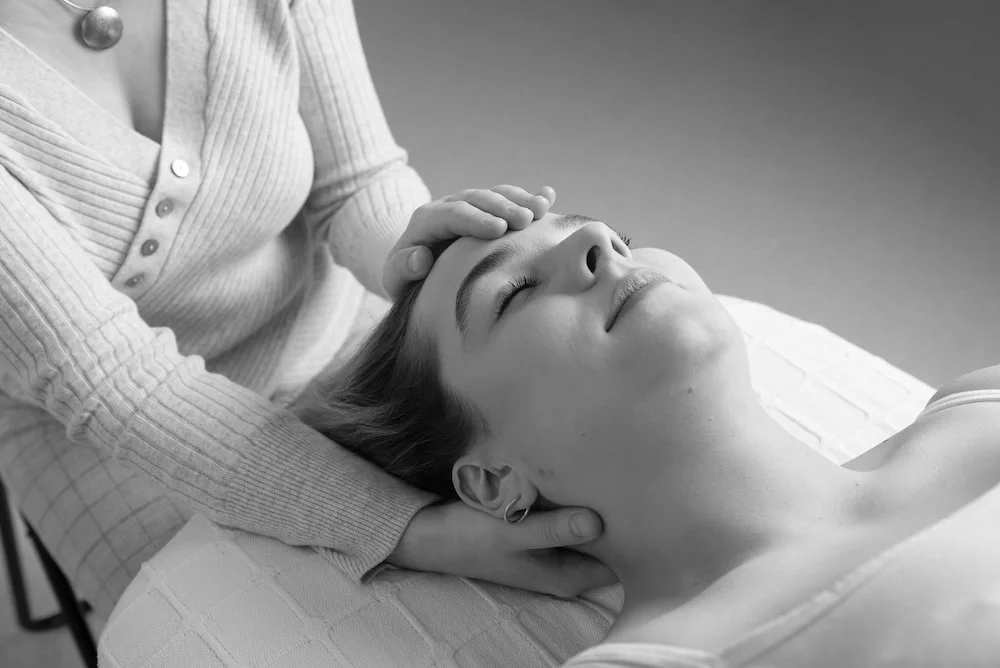
Using light, skilled touch, craniosacral therapy aims to release tension, improve the body’s natural healing processes, and restore balance, making it an excellent option for those seeking holistic treatment for pain, stress-related conditions, and trauma recovery.
Origins of craniosacral therapy
Visionary Craniosacral Work, developed by Hugh Milne, arises from the tradition of osteopathy and the pioneering work of A. T. Still, William Sutherland, and Rollin Becker, while also integrating insights from shamanic traditions.
How does it work?
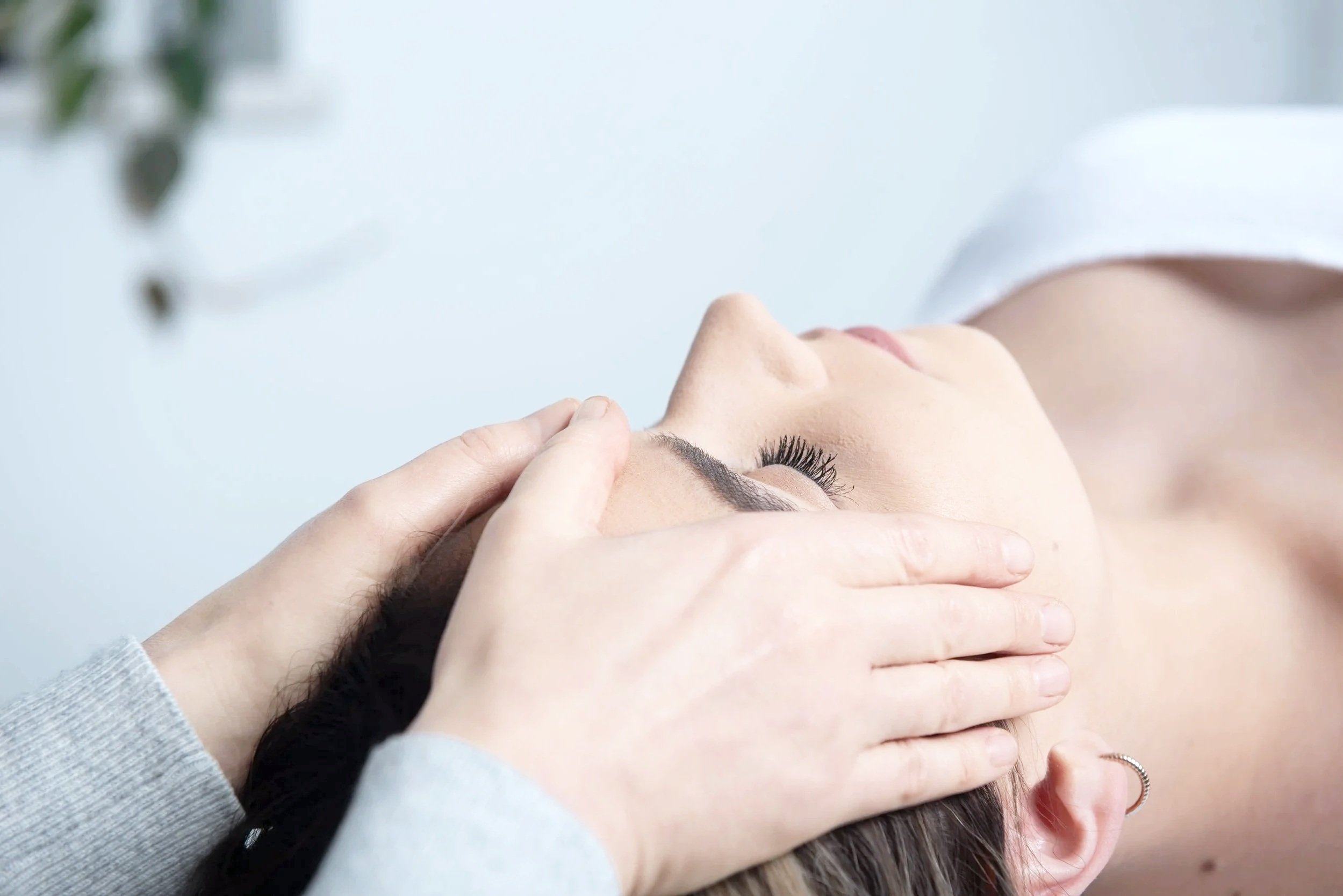
It works through soft contacts with the bones and sutures of the skull, spine and sacrum which harmonise the movements and pulsations inherent in each person’s natural metabolism.

“A gentle pause can be the beginning of meaningful change”
What can Craniosacral therapy support?
Chronic pain, headaches, and migraines
Neck, jaw, and back tension
Stress, anxiety, and overwhelm
Sleep disturbances and fatigue
Emotional or physical trauma
Nervous system dysregulation
Post-injury or post-surgical recovery
Life transitions, grief, or burnout
Somato-Emotional Release
Somato-Emotional Release is often woven into craniosacral sessions. It is grounded in the understanding that unresolved emotions and trauma can become held in the tissues of the body, manifesting as physical pain, restriction, or imbalance.
The practitioner can help you connect with your sensations, images, and emotions as they arise, allowing stored experiences to be acknowledged and released.
WHAT to EXPECT from the session?
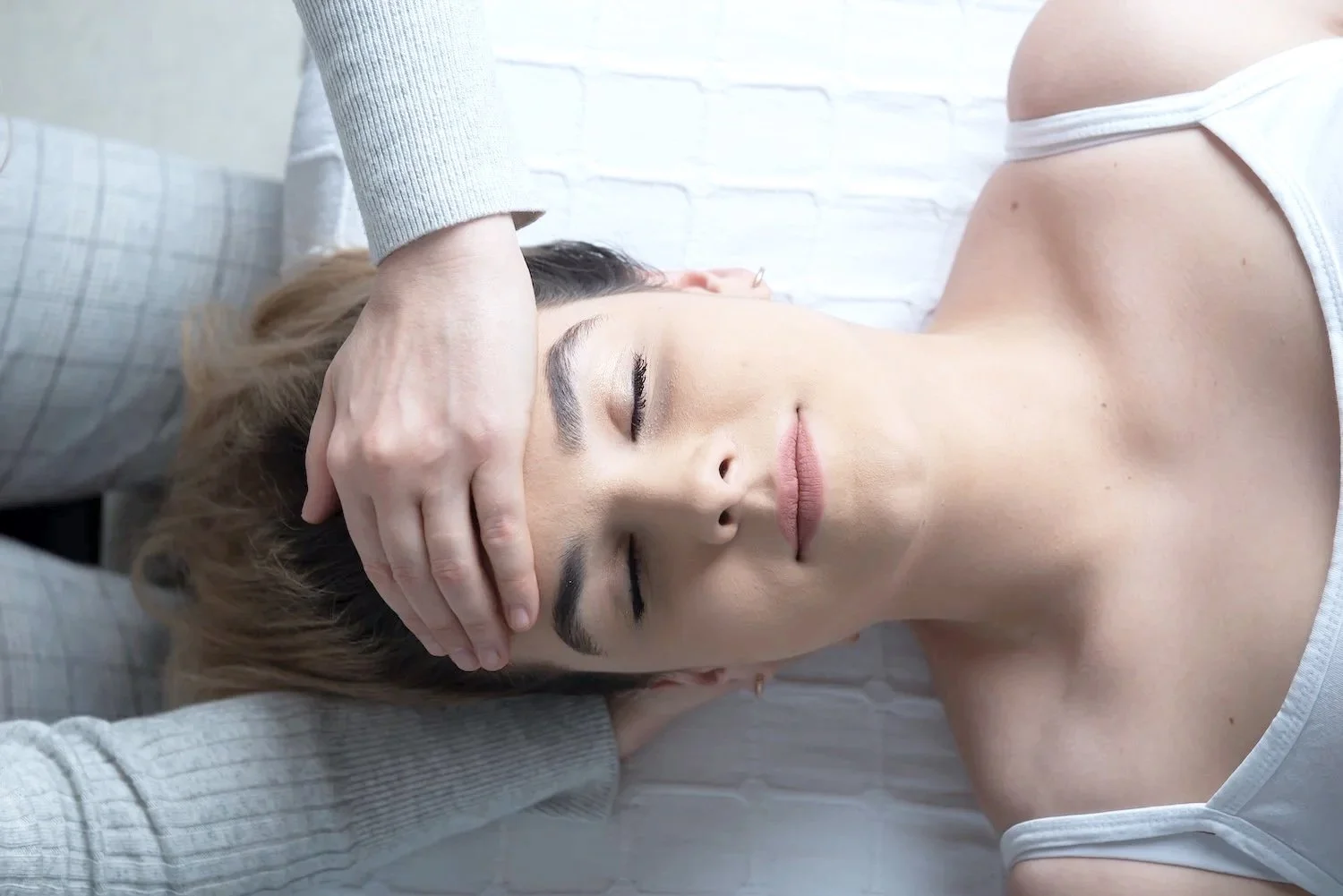
During a craniosacral therapy session, you remain fully clothed and usually lie comfortably on your back, with occasional short periods on your side or front if needed.
Using gentle, light touch, I place my hands on different areas of the body to support the release of tension and encourage the nervous system to settle and regulate.
What People Are Saying
'It's rare to meet a bodyworker who is able to go to the depths that Alex can. Her presence and attunement to the human body exceeds the physical.'
— chelsea“I had a series of Visionary Craniosacral sessions, and they were nothing short of life-changing. With deep sacredness and tender care, Alex held space for whatever came up in our sessions, allowing me to soften, open, and grow so I could step more fully into living from my heart'..”
— Fion“I have been working with Alex for over a year and my experiences have been life changing, I've begun to connect with myself in ways I could never have imagined. I experience Alex to be deeply intuitive and sensate and able to connect in an embodied way and hold space safely with compassion.”
— Mike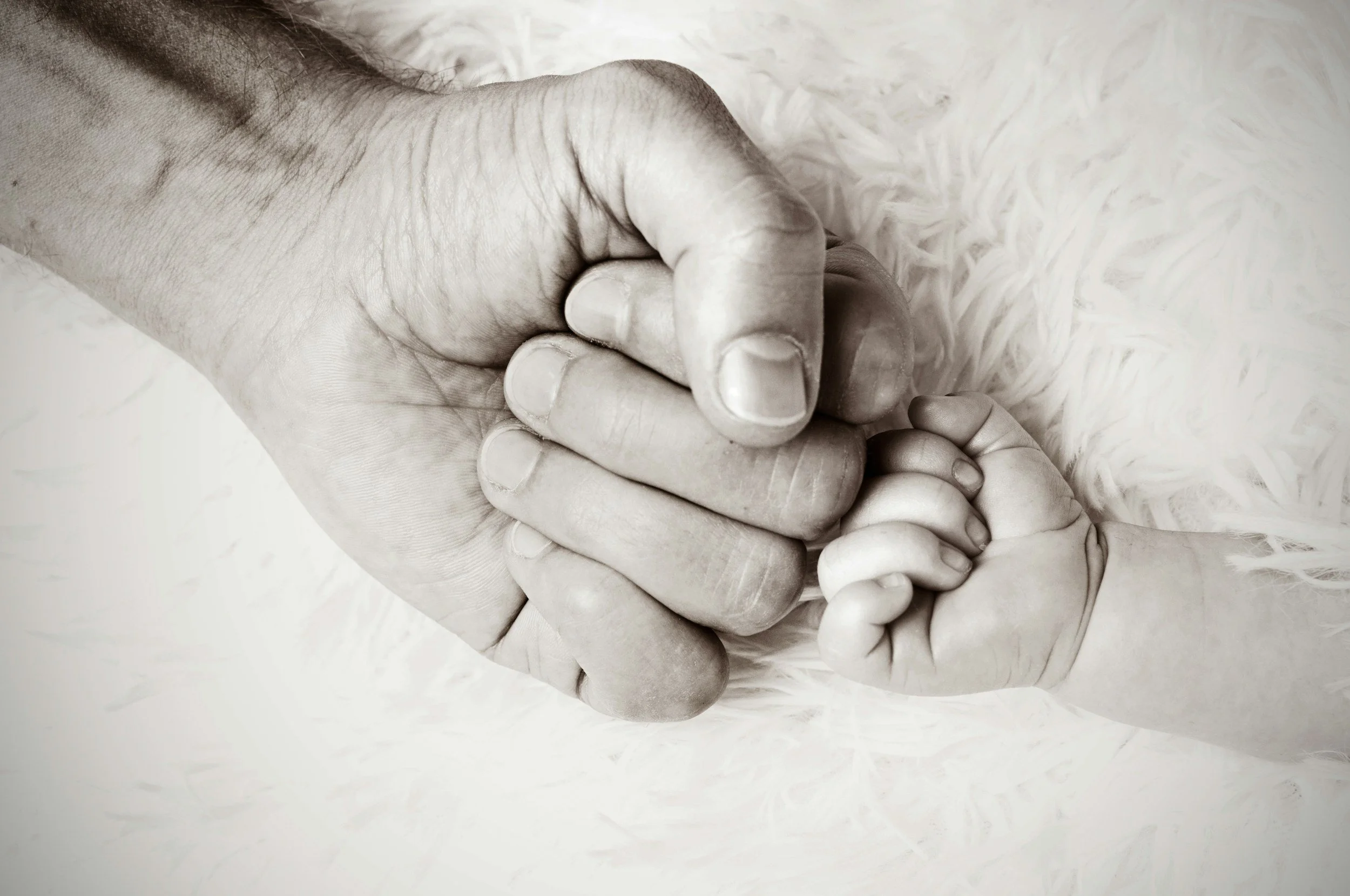
CRANIOSACRAL THERAPY
for BABIES
Craniosacral therapy for babies is a gentle, non-invasive form of bodywork that uses very light touch to help with common early-life challenges such as colic, sleep disturbances, and discomfort after birth.

Why Use Craniosacral Therapy for Babies
Because babies are highly receptive, even the gentlest touch can support comfort, relaxation, and a greater sense of ease for both baby and parent. Sessions are calm, non-invasive, and guided entirely by your baby’s cues, creating a safe, nurturing, and supportive experience.
Craniosacral therapy for babies may gently support issues such as fussiness or colic, feeding and latching difficulties, sleep disturbances, tension or body asymmetry, and discomfort following birth or medical interventions. It can be especially supportive after long or fast labours, caesarean birth, forceps or ventouse delivery, or when a baby appears unsettled or uncomfortable in their body.
how it can be useful?When craniosacral is not suitable for your baby?Craniosacral therapy is not suitable in cases of acute illness, fever, infection, or where urgent medical care is required. If your baby has a complex or serious medical condition, it’s important to consult your GP, paediatrician, or healthcare provider before booking.
This work is complementary and is not a replacement for medical care. It is offered alongside appropriate medical support, helping to gently support your baby’s natural capacity to settle, regulate, and find ease.
10 Signs Your Baby May Benefit From Craniosacral Therapy
1. My baby cries a lot and struggles to settle
Persistent fussiness or difficulty self-soothing may sometimes reflect nervous system overload or unresolved physical tension. Craniosacral therapy uses gentle, baby-led touch to support regulation, relaxation, and a greater sense of ease.
2. My baby is having difficulty feeding or latching
Challenges with breastfeeding, bottle feeding, sucking, or latching may be linked to tension affecting the jaw, tongue, palate, neck, or cranial nerves involved in feeding coordination. Gentle treatment may help release strain patterns that affect comfortable feeding.
3. My baby only turns their head to one side
A strong head preference, flattening of the head, or asymmetrical movement patterns may suggest tension through the neck, muscles, or connective tissues. Craniosacral therapy may help improve comfort, mobility, and balance within the body.

4. My baby can’t sleep or fully relax
Frequent waking, restlessness, or difficulty settling into sleep may indicate that your baby is finding it hard to regulate or release tension. Sessions aim to support calmness and nervous system relaxation.
5. My baby seems uncomfortable after birth
Long labours, rapid births, induction, caesarean birth, forceps, or ventouse-assisted delivery can place strain on a baby’s head, neck, and body tissues. Craniosacral therapy may gently support recovery from birth-related compression and tension.
6. My baby feels stiff, tense, or arches their back
Increased muscle tension, rigidity, or back arching may reflect protective holding patterns within the musculoskeletal and fascial systems. Gentle treatment may support greater comfort and ease of movement.

7. My baby doesn’t like tummy time or certain positions
Discomfort during tummy time, lying flat, nappy changes, or being in a car seat may relate to tension through the spine, pelvis, diaphragm, or neck. Craniosacral therapy aims to support comfort and positional tolerance.
8. My baby has wind, reflux, or colic-like symptoms
Digestive discomfort may sometimes be influenced by tension affecting the diaphragm, abdomen, or autonomic nervous system. Treatment may help support relaxation and digestive regulation.
9. My baby startles easily or seems highly sensitive
Babies who appear unusually sensitive to sound, touch, movement, or stimulation may be experiencing difficulty regulating sensory input. Craniosacral therapy offers a calm, supportive environment that encourages nervous system balance.

10. My baby just seems uncomfortable in their body
Some babies appear persistently unsettled, tense, alert, or unable to fully soften and rest, even when their basic needs are met. Craniosacral therapy may help support a greater sense of comfort, safety, and ease within the body.

“I had a craniosacral therapy with Alex for my little son, 19 months at the time.
He struggled with nightmares since he was born, waking up every night with terrors.
I can’t quite explain what she did but the nightmares are gone ever since.”
— IRENA