

Reflections on Trauma Recovery,
Craniosacral Therapy and Wellbeing
This blog is a space to explore the connection between body and mind, and the many ways we can support healing after stress and trauma. Through reflections on Craniosacral Work, ScarWork, Somatic approaches and NARM Model for working with developmental trauma, I share insights into how our patterns may be shaped - and how we can gently begin to shift them. Whether you are at the beginning of your journey or deepening your understanding, you are warmly welcome here.

Why Do I Keep Repeating the Same Relationship Patterns? A NARM Perspective on Developmental Trauma
Many of the patterns that emerge in our adult relationships often reflect the ways our nervous system adapted to early experiences in order to help us cope and stay connected. This article explores how developmental trauma can influence belonging, trust, authenticity, intimacy, and our capacity for relationships through the lens of the NeuroAffective Relational Model (NARM). It also considers how therapy and relationships can create opportunities for healing and lasting change.

The Love–Sexuality Survival Style: When Wholeness Doesn't Feel Safe
The Love–Sexuality Survival Style describes one way the nervous system may respond to early relational experiences by separating emotional closeness from sexual expression. This compassionate introduction explores intimacy, vulnerability, shame, self-worth, and the possibility of healing through a NARM-informed perspective. Rather than seeing these patterns as flaws, it invites us to understand them as intelligent adaptations that once protected us and to discover how love, sexuality, and authenticity can gradually become integrated once again.

The Autonomy Survival Style: When Being Yourself Doesn't Feel Safe
The Autonomy Survival Style describes one way the nervous system adapts when expressing our authentic thoughts, feelings, or boundaries no longer feels safe. This article explores people-pleasing, fear of conflict, self-criticism, and the challenge of remaining true to ourselves while preserving relationships. Through a compassionate NARM perspective, it invites us to understand these patterns not as personality traits, but as intelligent adaptations that can gradually soften as healing unfolds.

The Trust Survival Style: When Relying on Others Doesn't Feel Safe
The Trust Survival Style describes one way the nervous system adapts when relying on others no longer feels safe. This article explores hyper-independence, difficulty asking for help, control, emotional vulnerability, and the challenge of receiving support. Through a compassionate NARM perspective, it explains how these patterns develop as intelligent adaptations to early relational experiences and how healing can gradually restore trust, interdependence, and authentic connection.

The Attunement Survival Style: When It Doesn't Feel Safe to Have Needs
Many people who recognise the Attunement survival style are deeply caring, intuitive, and naturally sensitive to the needs of others. Yet beneath this gift there can be a lifelong habit of overlooking their own needs or believing they matter less. This article explores how this intelligent adaptation develops, why it makes such profound sense, and how healing allows us to rediscover that our needs are not a burden but an essential part of being human.

The Connection Survival Style: When Belonging Doesn't Feel Safe
Have you ever felt as though you don't quite belong, or found it easier to disconnect from yourself than risk being hurt? In NARM, the Connection Survival Style describes one of our earliest adaptive responses to developmental trauma. This article explores how this deeply intelligent survival pattern develops, how it shapes our experience of ourselves and others, and how healing allows us to feel more at home in our body, our relationships, and our lives.

A Gentle Introduction to the NARM Survival Styles
The five NARM Survival Styles offer a compassionate framework for understanding how the nervous system adapts to early relational experiences. This introductory article gives a short overview of the five developmental adaptations: Connection, Attunement, Trust, Autonomy, and Love–Sexuality.

Finding a Trauma Therapist in Oxford: What Questions Should You Ask?
Searching for a trauma therapist in Oxford can feel both hopeful and overwhelming. There are many approaches to trauma therapy, from talking therapies to body-based and somatic work, and it is not always easy to know what will be most helpful. In this article, I explore what I have learned from my own experience, both as a client and as a therapist, about how people actually choose the right therapeutic support.
How the Nervous System Learns Safety
Sometimes, we understand their trauma intellectually yet continue to feel anxious, vigilant, or unable to fully relax. Why? Because the nervous system is changed not only through information but through experience. In this article, I explore how the nervous system learns safety, drawing on the work of leading trauma researchers as well as my own experience as a trauma therapist.

Body-Based Therapy and Talking Therapy: Why Trauma Healing Often Needs Both
Many people begin their healing journey through talking therapy, gaining valuable insight into their history, relationships, and behavioural patterns. Yet understanding ourselves is not always the same as experiencing change. In this article, I explore my own journey from cognitive understanding to body-based healing through Craniosacral Therapy and NARM. Rather than choosing between talking therapy and somatic therapy, I suggest that meaningful trauma healing often involves bringing mind, body, and heart into the same conversation.

Why Trauma Shows Up in the Body: The Relationship Between Anatomy, Emotions and Healing
Most of us instinctively recognise that emotions have a physical dimension. Anxiety can tighten the jaw, grief may feel heavy in the chest, and stress often seems to settle in the shoulders, neck, or stomach. Yet the relationship between anatomy and emotion is far more complex than simple mind-body connections. In this article, we explore how emotional experiences can shape the body over time, why physical patterns often persist long after difficult experiences have passed, and how approaches such as Visionary Craniosacral Work offer a unique perspective on healing.
What Happens During a Craniosacral Therapy Session?
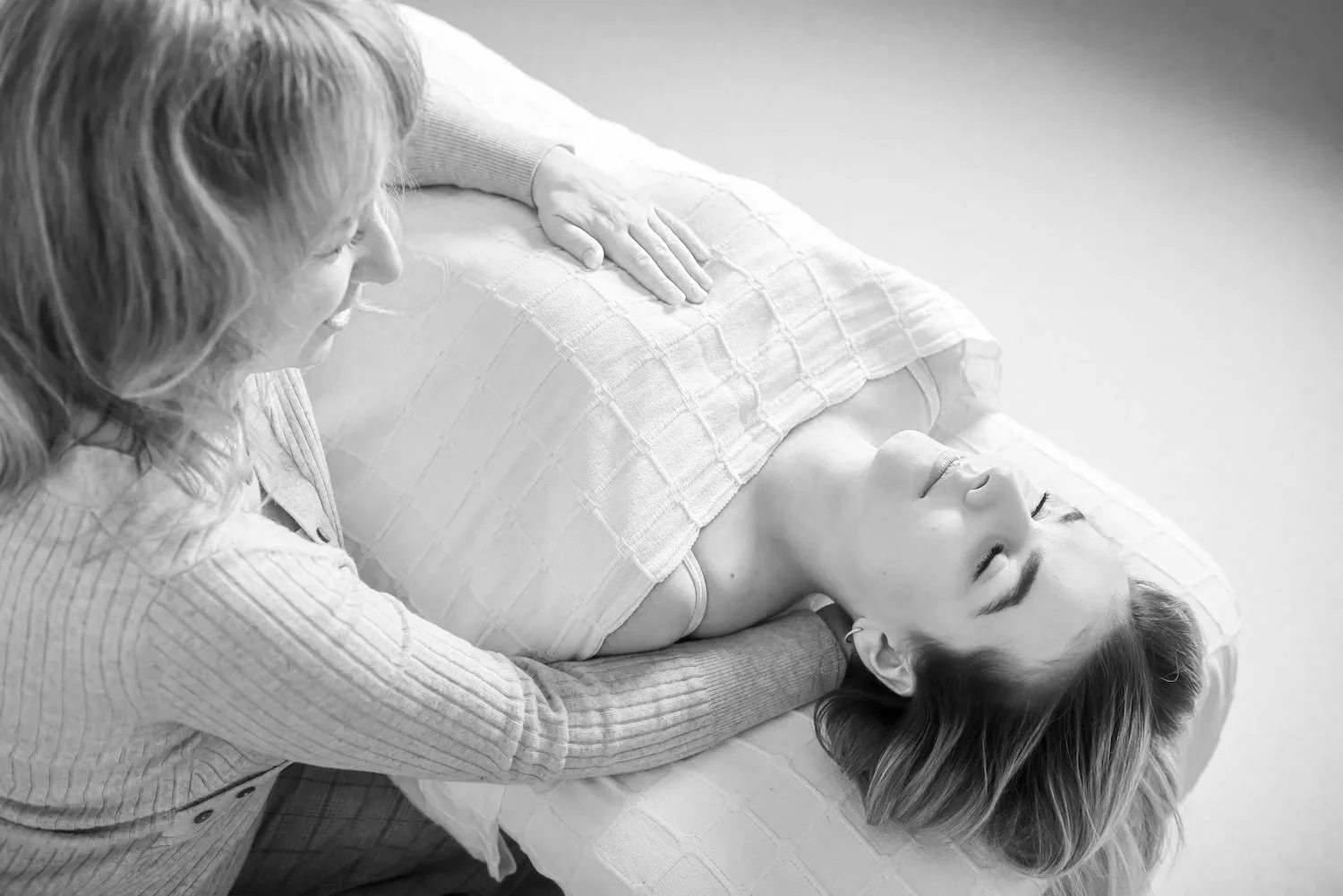
What actually happens during a Craniosacral Therapy session? Craniosacral Therapy offers a gentle, body-based approach that supports nervous system regulation, trauma healing, and deeper self-awareness. In this article, I explore what you can expect from a session, how Visionary Craniosacral Work influences my practice, and why so many thoughtful, self-aware individuals find this work transformative.

What Is NARM Therapy? A Hopeful Perspective on Healing Developmental Trauma
Many people seeking therapy have already spent years trying to understand themselves. Yet despite this awareness, they may continue to experience anxiety, perfectionism, self-criticism, relationship difficulties, or a persistent sense of feeling stuck. This article explores the NeuroAffective Relational Model (NARM), a therapeutic approach developed by Laurence Heller to address developmental trauma and the lasting impact of early relational experiences.

What Is Developmental Trauma? Understanding the Impact of Early Experiences on Adult Life
Many adults struggle with anxiety, self-doubt, relationship difficulties, or a persistent sense of being stuck, even when they cannot identify a single traumatic event. Developmental trauma occurs when chronic stress, emotional neglect, or relational difficulties during childhood shape the developing nervous system. In this article, we explore what developmental trauma is, how it affects adult life, and why healing remains possible throughout life.

Small Problems Don't Break Hearts: Why You Don't Need a Big Trauma to Be Hurt
Many people struggle with anxiety, burnout, perfectionism, or relationship difficulties while also believing that their childhood was “fine” or that nothing significant enough happened to explain their distress. Yet emotional pain is not always linked to obvious or dramatic events. Sometimes it arises from more subtle, repeated experiences of not being fully seen, supported, or understood, which can quietly shape how we relate to ourselves and others over time.

How Trauma Affects Relationships Long After the Event Has Passed
Many people seek therapy because of difficulties in relationships rather than because of a specific traumatic event. They find themselves repeating the same patterns, struggling with trust, fearing rejection, or losing themselves in relationships despite wanting something different.

Why Rest Doesn't Feel Restful After Trauma
Do you ever find yourself exhausted yet unable to truly rest? Perhaps you finally sit down at the end of the day only to feel restless, guilty, or compelled to keep going. For many people living with the effects of trauma, burnout, or chronic stress, the challenge isn't finding time to rest—it's feeling safe enough to do it.

Why You Can't Think Your Way Out of Survival Mode
Have you ever known exactly what you should do, yet found yourself unable to do it? Perhaps you've talked yourself through an anxious situation, reminded yourself that everything is okay, and still felt overwhelmed, frozen, or reactive. If so, you're not failing. You may simply be experiencing survival mode—a state in which the nervous system takes priority over conscious thought.

Can Trauma Be Stored in the Body?
Many people notice recurring physical symptoms that don't seem to have a clear medical explanation: tight shoulders, jaw tension, digestive issues, chronic fatigue, shallow breathing, or a feeling of being disconnected from their body. Trauma can profoundly shape how we experience, inhabit, and relate to our bodies long after difficult experiences have passed.

I Know I'm Safe, But My Body Doesn't Feel Safe: Understanding Trauma and the Nervous System
Many people who have experienced trauma know they are safe, yet their bodies continue to react as if danger is just around the corner. Understanding why this happens can be the first step towards developing a deeper sense of safety, regulation, and connection within yourself.